Handgun Calibres Compared: 9mm, .380, .40, .45 ACP and 10mm
The calibre debate has been going on since the first cartridge pistol and it has, in one important sense, been settled: modern bullet design has made the common service calibres perform so similarly that the choice now comes down to recoil, cost, capacity and the gun you can shoot well. This guide sets out what each of the common handgun calibres does, what it costs to run, and who should choose it, with the aim of ending the argument for one buyer at a time.
What the tests show
Over the past two decades the FBI's ballistic testing protocol has become the standard by which defensive ammunition is judged, and premium hollow-points in 9mm, .40 S&W and .45 ACP now meet it about equally well: twelve to eighteen inches of penetration in gelatin through the standard barriers, with reliable expansion. The larger calibres make a slightly larger hole; the 9mm allows more rounds in the same gun and less recoil, which means faster and more accurate follow-up shots for most shooters. That trade led the FBI and most police agencies back to 9mm in the last decade, and it is why most instructors now recommend it to most buyers.
9mm Luger
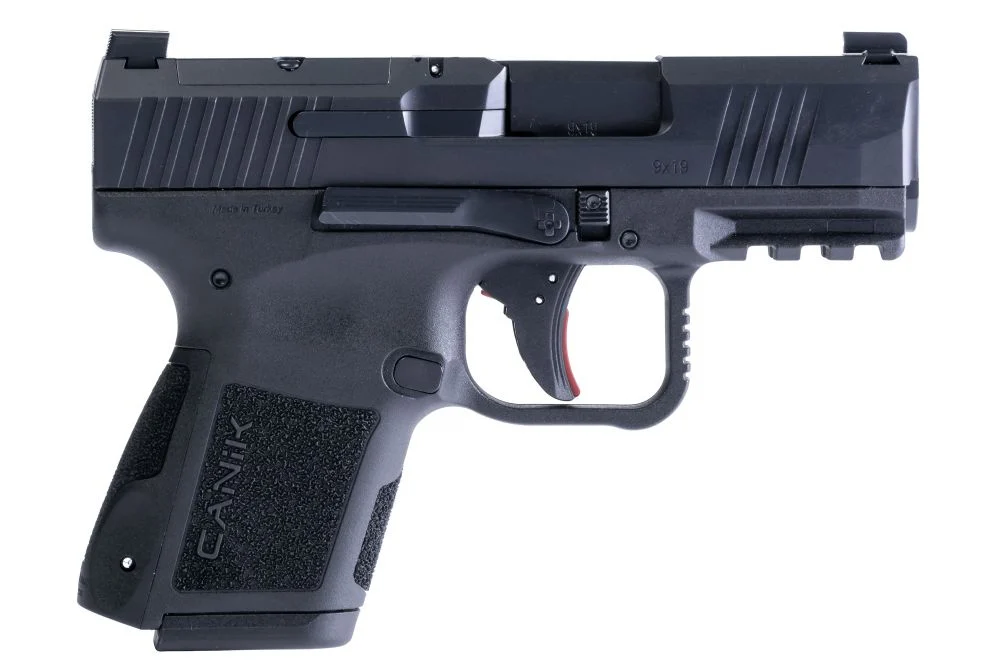
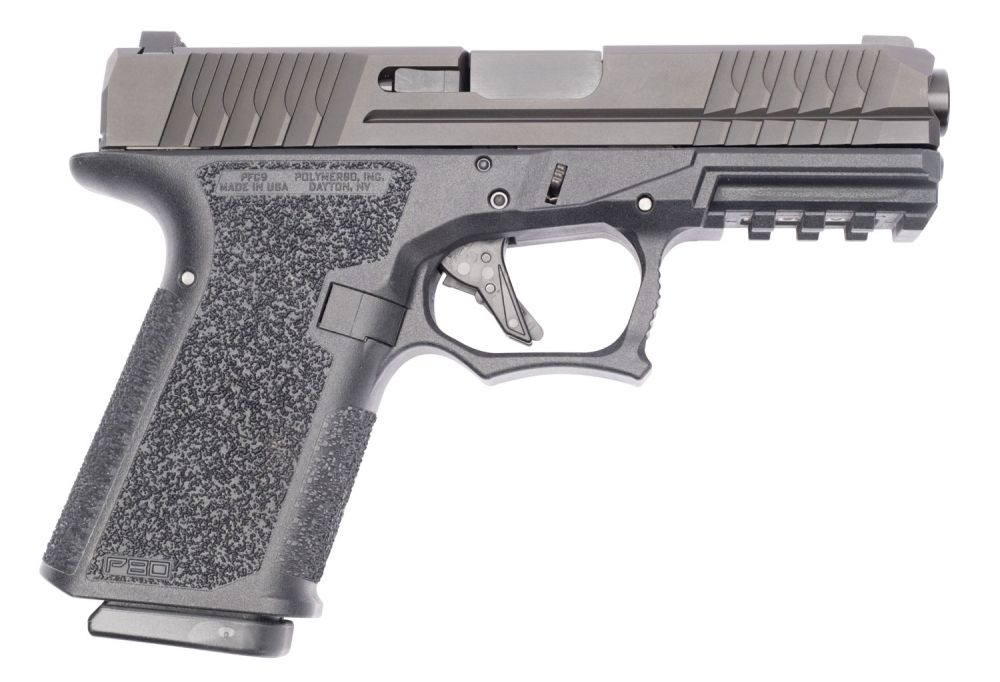
The 9mm is the cheapest centerfire pistol cartridge to practise with, every maker builds its best pistols around it, its recoil is manageable for nearly any adult, and a compact 9mm holds fifteen rounds. Defensive loads in the 124 to 147 grain range perform as well as the larger calibres in tests. It is the right first handgun calibre for almost everyone and the right only calibre for most. Its weakness is that it is not a hunting cartridge and not a bear cartridge.
.380 ACP
The .380 is a short 9mm with about half the energy. In a very small pistol it is the calibre that makes the pistol possible, and it is adequate for defence with modern loads at close range. Its recoil in a tiny gun is often sharper than a compact 9mm's, and the ammunition costs more. Choose it for a pocket pistol or for a shooter who cannot manage a 9mm's slide or recoil; the newer low-recoil .380 pistols with easy-rack slides exist for exactly that buyer.
.40 S&W
The .40 was the police standard for twenty years and has been retired by most agencies in favour of the 9mm. It hits a little harder, kicks noticeably more, costs more and holds fewer rounds. Used .40 pistols are plentiful and cheap as police trade-ins, and a .40 frame accepts a 9mm conversion barrel and magazines on many models, which is the best reason to buy one.
.45 ACP
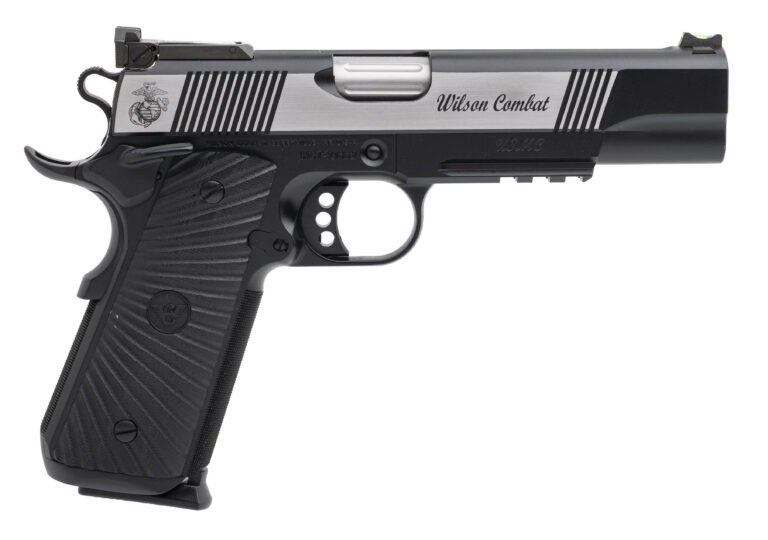
The .45 is the American service cartridge of the twentieth century and the reason the 1911 exists. It fires a heavy, slow bullet with a push rather than a snap, and shooters who dislike the 9mm's sharpness often shoot it well. It costs about twice what 9mm does to practise with, holds seven to thirteen rounds, and performs on par with the others in tests. Choose it if you want a 1911, if you shoot it better than a 9mm, or because you like it; those are all good reasons.
10mm Auto
The 10mm is the .40's parent, a full-power cartridge that fires a .40 bullet a great deal faster. It is the only common semi-automatic pistol cartridge that hunts deer and hogs and defends against bears with hard-cast loads, and it has found its place as the working sidearm of hunters and guides. Recoil is stout, ammunition is expensive, and most defensive 10mm loads are downloaded close to .40 performance. Choose it for the woods, not the nightstand.
.357 Magnum and .38 Special
The revolver cartridges remain relevant. A .357 revolver fires .38 Special for practice and .357 for defence and short-range hunting, and a .38 snub is the classic pocket revolver. Revolvers hold five or six, are simple and forgiving of neglect, and are harder to shoot well than the marketing suggests.
.22 LR
A .22 pistol is the best training tool ever made and the right second handgun for everyone. It is not the right defensive calibre when a centerfire is possible, but it is far better than nothing and the only option for some shooters.
Ammunition choice within a calibre
Within any calibre the bullet matters more than the headstamp. For defence, buy a bonded or well-tested hollow-point from a major maker in the standard weight for the calibre, and confirm it feeds in your gun with a hundred rounds before you trust it. For practice, buy full-metal-jacket in the same weight so the recoil and point of impact match. For a revolver, .38 Special for practice and a quality .38 or .357 hollow-point for the cylinder. Avoid exotic bullets with big claims and small track records; the tests that matter have already been done on the ordinary loads.
Cost per round, roughly
- .22 LR: a few cents.
- 9mm: the cheapest centerfire, about a third of the price of .45.
- .380: half again the price of 9mm.
- .40 S&W: about half again the price of 9mm.
- .45 ACP: roughly twice 9mm.
- 10mm: two to three times 9mm.
- .38 Special: about the price of .45; .357 Magnum higher.
Choosing
For a first handgun, a home gun or a carry gun: 9mm, in a pistol that fits the hand. For a pocket pistol or a shooter who cannot manage a 9mm: .380 in a low-recoil design. For the woods and bear country: 10mm or a .44 Magnum revolver. For a 1911: .45, because that is the point. For a bargain: a police trade-in .40 with a 9mm conversion. Whatever the calibre, buy the defensive load in a bonded or well-tested hollow-point, buy practice ammunition in the same bullet weight, and confirm both run in your gun before you trust them.
Ammunition ships to your door in most states; the shipping guide covers the exceptions. Browse pistols and ammunition in the catalogue, and read used against new if a trade-in tempts you.
General information, not legal advice. Current as of September 2026. Laws change; check the official source before you act.